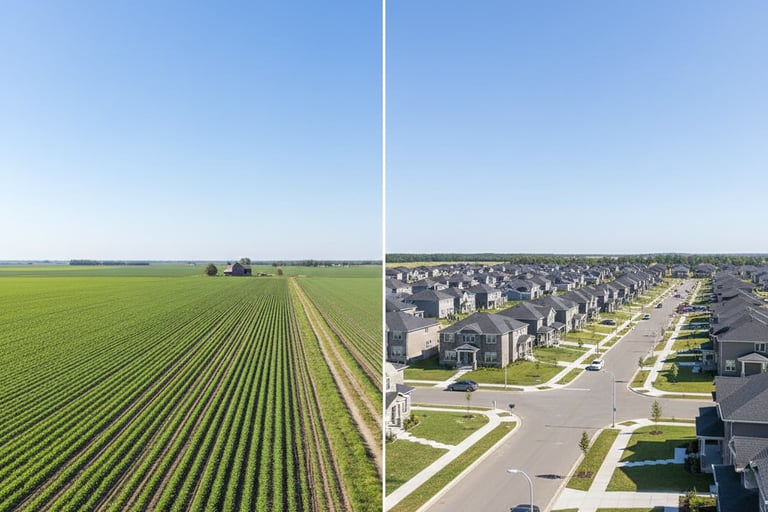
Agricultural Land vs Non-Agricultural Land: Key Differences
When investing in real estate, one of the most important factors to understand is the classification of land. Many buyers are confused about the difference between agricultural land and non-agricultural (NA) land. Choosing the wrong type of land without proper knowledge can lead to legal complications, financial losses, and construction restrictions.
flixah developers
2/16/20263 min read
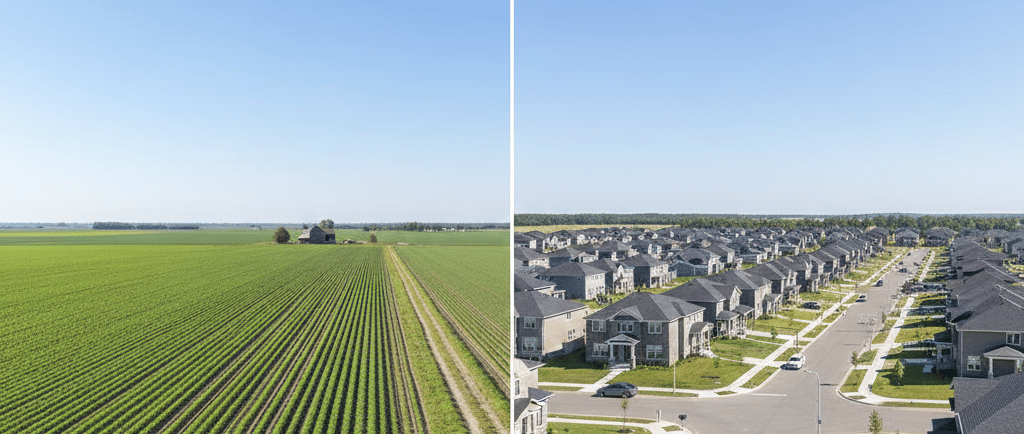
Agricultural Land vs Non-Agricultural Land: Key Differences
When investing in real estate, one of the most important factors to understand is the classification of land. Many buyers are confused about the difference between agricultural land and non-agricultural (NA) land. Choosing the wrong type of land without proper knowledge can lead to legal complications, financial losses, and construction restrictions.
Before purchasing any plot, it is essential to clearly understand the key differences between these two categories.
What Is Agricultural Land?
Agricultural land is property designated strictly for farming and agricultural activities. This includes:
Cultivation of crops
Dairy farming
Horticulture
Plantations
Livestock farming
The primary purpose of agricultural land is food production and rural economic support. Government laws protect such land to ensure that agricultural activities are not disturbed by uncontrolled construction or urban expansion.
In most cases, you cannot legally construct residential or commercial buildings on agricultural land unless it is officially converted.
What Is Non-Agricultural Land?
Non-agricultural (NA) land is land that has been legally approved for purposes other than farming. It may be categorized for:
Residential use
Commercial use
Industrial use
Institutional use
NA land allows construction according to zoning regulations. If you plan to build a house, office, warehouse, or layout, the land must be classified as non-agricultural.
This classification is granted by local government authorities after proper application and approval procedures.
Key Differences Between Agricultural and Non-Agricultural Land
1. Purpose of Use
The most basic difference lies in usage.
Agricultural Land: Only for farming and agricultural activities.
Non-Agricultural Land: Suitable for residential, commercial, or industrial development.
Using agricultural land for construction without conversion is illegal in most states.
2. Construction Permission
Construction rules vary significantly.
On agricultural land, permanent construction is generally restricted.
On NA land, construction is permitted as per approved building rules and layout permissions.
If your goal is to build a house or sell plots in a layout, NA land is required.
3. Loan Eligibility
Banks and financial institutions typically prefer lending for non-agricultural land.
Agricultural land often does not qualify for home loans (unless for farming purposes).
NA land is eligible for housing loans and construction loans.
This makes NA land more attractive for buyers seeking financing.
4. Resale Value and Market Demand
Non-agricultural land usually has higher resale demand, especially in growing urban areas.
Agricultural land may appreciate depending on location but has limited buyer interest.
NA land attracts residential buyers, developers, and investors.
Therefore, NA land often offers better liquidity and faster resale opportunities.
5. Infrastructure and Utilities
Government bodies typically approve infrastructure like:
Roads
Drainage
Electricity
Water supply
only for non-agricultural, approved layouts.
Agricultural land may not have access to organized civic amenities unless converted.
6. Legal and Zoning Regulations
Agricultural land is governed by agricultural and revenue laws, while NA land falls under urban planning and municipal development regulations.
If zoning rules change or conversion is not approved, agricultural landowners may face legal restrictions when trying to develop property.
NA land provides clearer legal standing for development.
7. Taxation and Government Charges
Agricultural land may have different tax structures compared to NA land. In some cases, agricultural land benefits from lower property taxes. However, once converted to NA land, certain development charges and taxes apply.
Buyers should consider these financial aspects before making a decision.
When Should You Choose Agricultural Land?
Agricultural land may be suitable if:
You intend to engage in farming or agricultural activities.
You are looking for long-term land banking in rural areas.
You understand local land laws and future conversion possibilities.
However, it requires careful legal verification.
When Should You Choose Non-Agricultural Land?
NA land is ideal if:
You want to build a house.
You plan to invest in plotted development.
You are seeking better resale value.
You want loan eligibility.
You prefer legal clarity and infrastructure support.
For most residential investors, NA land is the safer and more practical option.
Conclusion
Understanding the difference between agricultural land and non-agricultural land is crucial before making any real estate investment. While agricultural land serves farming purposes and may be priced lower, it comes with usage restrictions and legal limitations.
Non-agricultural land, on the other hand, provides construction rights, better infrastructure access, loan eligibility, and stronger resale demand.
Before purchasing any plot, always verify land classification, zoning approvals, and legal documents. A well-informed decision today can protect your investment and ensure long-term financial security.
Ready to Invest in Secure & Legally Clear Plots?
Visit: https://flixahdeveloperspvtltd.com
Call Us: 9100600730
Follow us on Social Media for Latest Updates:
Facebook: https://www.facebook.com/profile.php?id=61561750351672
Instagram: https://www.instagram.com/stories/flixahdeveloper/
LinkedIn: https://www.linkedin.com/company/104419201
YouTube: https://www.youtube.com/@flixahrealty
Invest smart. Invest secure. Build your future with confidence.