
How to Avoid Real Estate Fraud
Real estate is one of the most valuable and long-term investments a person can make. However, with increasing property demand and rising prices, real estate fraud has also become more common. Many buyers lose their hard-earned money due to lack of verification, improper documentation, or blind trust.
flixah developers
2/17/20263 min read
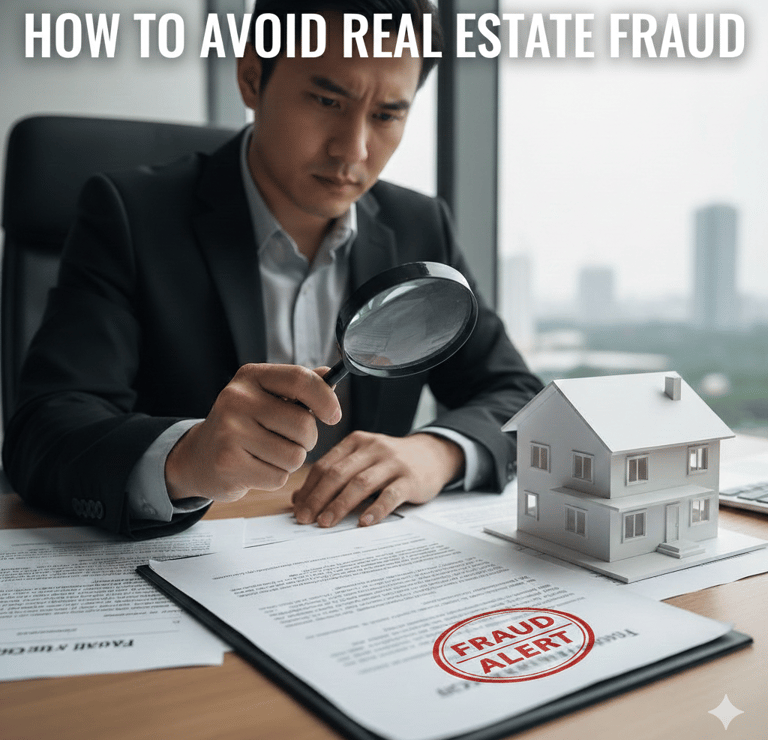
How to Avoid Real Estate Fraud
Real estate is one of the most valuable and long-term investments a person can make. However, with increasing property demand and rising prices, real estate fraud has also become more common. Many buyers lose their hard-earned money due to lack of verification, improper documentation, or blind trust.
The good news is that most property frauds can be avoided with proper awareness and due diligence. Understanding the risks and taking preventive steps can protect your investment and give you peace of mind.
1. Verify the Title and Ownership
The first and most important step is verifying the legal ownership of the property. Ensure that the seller has a clear and marketable title. Ask for:
Original title documents
Sale deed copies
Encumbrance Certificate (EC)
Ownership history
Check whether the property has any legal disputes, unpaid loans, or pending claims. If necessary, consult a qualified legal expert to verify documents before making any payment.
2. Check Land Classification and Approvals
Many buyers unknowingly purchase agricultural land thinking it is residential. Always confirm:
Land classification (Agricultural or Non-Agricultural)
Layout approvals from the relevant authority
Municipal or development permissions
If the land is not properly approved, construction may become illegal. Proper approvals ensure your property is safe for development and resale.
3. Avoid Cash Transactions
Large cash payments increase the risk of fraud and create legal complications. Always make payments through:
Bank transfers
Cheques
Demand drafts
Maintain clear payment records and receipts for every transaction. Transparency in financial dealings protects you in case of future disputes.
4. Do Not Rely Only on Verbal Promises
Fraud often begins with attractive promises. Sellers may claim:
Upcoming infrastructure projects
Assured returns
Quick appreciation
Government approvals in process
Never rely solely on verbal statements. Ask for written proof and verify claims independently. Conduct your own research about the area’s development plans.
5. Confirm Identity of the Seller
Ensure the person selling the property is the actual legal owner. If someone is selling through Power of Attorney (POA), verify the authenticity of the POA document.
Check:
Aadhaar or government ID
PAN card
Property tax receipts
Utility bills in the owner’s name
This step reduces the risk of impersonation fraud.
6. Visit the Property Personally
Never buy property without visiting the site. Inspect:
Physical boundaries
Road access
Encroachments
Neighboring properties
Some fraudsters sell the same plot to multiple buyers or sell land that does not match the location shown in documents. A physical inspection helps confirm authenticity.
7. Verify with Local Authorities
Visit the local municipal office or revenue department to confirm:
Land records
Survey numbers
Zoning classification
Approved layout status
Government verification provides additional safety and clarity.
8. Choose Reputed Developers
Buying property from a trusted and established developer significantly reduces fraud risk. Reputed developers:
Maintain transparent documentation
Offer legally approved projects
Follow government regulations
Provide proper registration support
Avoid unknown brokers or deals that seem “too good to be true.”
9. Check RERA Registration (If Applicable)
If purchasing in a regulated project, verify whether the project is registered under RERA (Real Estate Regulatory Authority). RERA registration ensures:
Project transparency
Legal compliance
Protection against false commitments
You can check RERA details online through official state portals.
10. Hire a Legal Expert
Spending a small amount on professional legal advice can save you from major financial loss. A property lawyer can:
Verify documents
Identify legal loopholes
Guide registration process
Ensure compliance
It is always better to be cautious before investing large amounts.
Common Red Flags to Watch Out For
Extremely low prices compared to market rate
Pressure to make immediate payment
Missing or incomplete documents
Unclear ownership history
Refusal to provide original papers
If something feels suspicious, take a step back and verify thoroughly.
Conclusion
Real estate fraud can be financially and emotionally devastating. However, most scams can be prevented through careful research, legal verification, and proper documentation.
Before investing in any property:
✔ Verify ownership and title
✔ Check approvals and land classification
✔ Avoid cash payments
✔ Consult legal experts
✔ Buy from reputed developers
A secure investment begins with informed decision-making. Taking the time to verify today can protect your future wealth and ensure peace of mind.
Ready to Invest in Secure & Legally Clear Plots?
Visit: https://flixahdeveloperspvtltd.com
Call Us: 9100600730
Follow us on Social Media for Latest Updates:
Facebook: https://www.facebook.com/profile.php?id=61561750351672
Instagram: https://www.instagram.com/stories/flixahdeveloper/
LinkedIn: https://www.linkedin.com/company/104419201
YouTube: https://www.youtube.com/@flixahrealty
Invest smart. Invest secure. Build your future with confidence.
